You’ve probably heard you should have a surge protector, but what exactly does it do and do you really need one? The short answer: yes. Surge protectors are one of the simplest ways to prevent expensive electrical damage in your home. Here’s what they are, how they work, and what kind of protection your home really needs.
What a Power Surge Actually Is
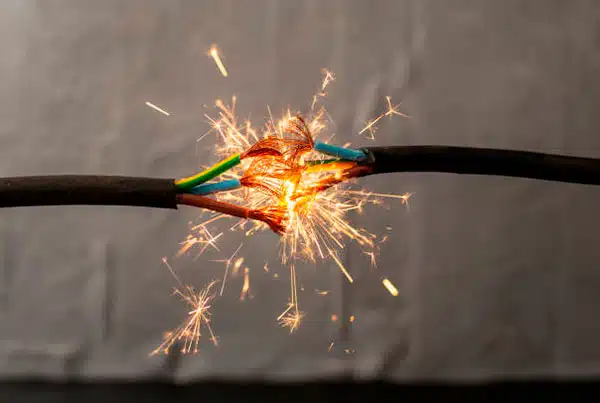
A power surge happens when the voltage in your electrical system suddenly spikes above normal levels.
Normal household voltage is about 120 volts, but a surge can send that number soaring, sometimes for just a fraction of a second.
Those tiny spikes can cause big problems over time. Sensitive electronics like TVs, computers, smart home devices, and appliances can be damaged or completely fried by repeated surges.
Common causes of power surges include:
- Lightning strikes (even nearby ones)
- Power outages or utility switching
- Large appliances turning on and off (like air conditioners or refrigerators)
- Faulty wiring or loose connections
What a Surge Protector Does
A surge protector is designed to detect those voltage spikes and stop them before they reach your devices. It does this by diverting extra voltage safely to the ground, keeping your equipment protected.
Think of it like a pressure relief valve for your electrical system, it lets the “extra” energy escape before it causes damage.
There are Two Main Types of Surge Protection:
Point-of-Use Surge Protectors
These are the plug-in strips you see under desks or behind TVs. They’re great for protecting electronics in one area, like your entertainment center or office setup. The catch? They only protect what’s plugged into them.
Whole-Home Surge Protectors
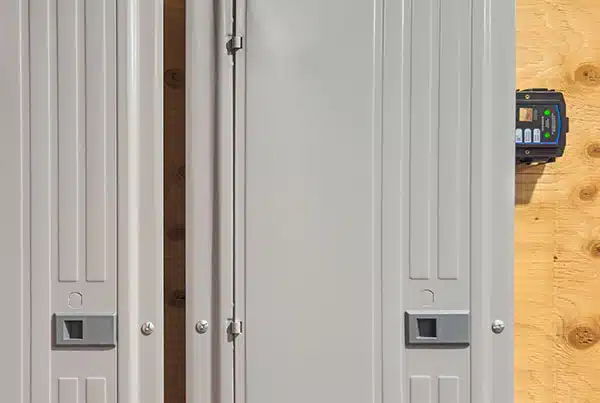
Installed directly at your electrical panel, these devices protect everything in your home, including hardwired systems like your furnace, refrigerator, or smart lighting.
They guard against both internal and external surges, making them a strong first line of defense for your entire home.
Why Whole-Home Surge Protection Is Worth It
Even small, everyday surges add up over time and can shorten the life of your electronics and appliances. A whole-home surge protector shields all your circuits at once, which means:
- Fewer appliance failures
- Protection for expensive electronics (TVs, gaming systems, computers)
- Extra peace of mind during storms or outages
Plus, whole-home devices are now required by the National Electrical Code for most new service installations, reflecting how important they’ve become for modern homes.
What It Costs in Minnesota
Whole-home surge protector installations typically run $400–$1200, depending on your home’s setup and the brand or model of the device.
That’s usually less than the cost of replacing a single refrigerator or TV.
Most plug-in strips cost under $40, but they’re not a substitute for true whole-home protection. The best setup is often a combination of both.
The Bottom Line
- A surge protector is your home’s safety net against unpredictable power spikes.
- Plug-in protectors handle your small electronics.
- Whole-home protectors defend your entire electrical system.
If your home doesn’t already have one, adding whole-home surge protection is one of the smartest, most affordable upgrades you can make to protect your investment.
At Great Northern Electric, we install surge protectors designed to fit your home’s needs and panel setup. We’ll make sure you’re covered, so the next storm or outage doesn’t leave you with a fried appliance (or a big repair bill).


